Health and Safety Policy for Landscaping Raynes Park
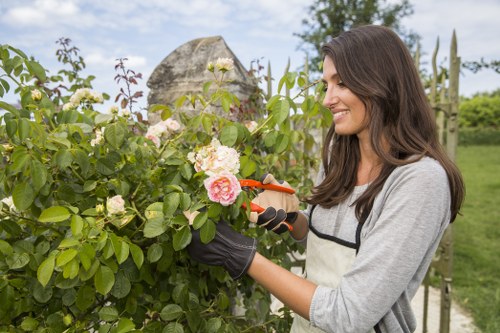 This health and safety policy for landscaping sets out the standards followed across all landscaping operations in Raynes Park. Its purpose is to protect employees, contractors, clients, visitors, and members of the public from harm while ensuring work is carried out efficiently and responsibly. Every task, from planting and turfing to hard landscaping and site clearance, is planned with safety in mind.
Our approach is based on prevention, supervision, and accountability. We believe that a safe working environment is achieved not only through rules, but through consistent training, clear communication, and careful risk control. All workers are expected to understand their responsibilities and to act in a way that reduces risk to themselves and others.
To support this, a landscaping safety policy is reviewed regularly and adapted to suit the nature of each project. The policy applies to all outdoor work activities and is intended to maintain high standards whether the job involves domestic gardens, commercial grounds, or ongoing maintenance tasks.
Before work begins, every site is assessed for hazards such as uneven ground, hidden obstacles, overhead services, traffic movement, and changing weather conditions. These checks help identify risks early so that suitable controls can be put in place. Where necessary, work is delayed, modified, or isolated to keep people safe.
Safe landscaping practices include keeping work areas tidy, storing tools correctly, and maintaining clear access routes. Slips, trips, and falls are among the most common risks in outdoor work, so housekeeping is treated as a core safety duty. Waste materials, hoses, cords, and loose objects must not be left where they may create danger.
All staff are required to use equipment properly and only after receiving suitable instruction. Machines such as mowers, hedge trimmers, strimmers, and compact plant must be checked before use and operated in line with manufacturer guidance. Defective equipment is removed from service immediately until repaired or replaced.
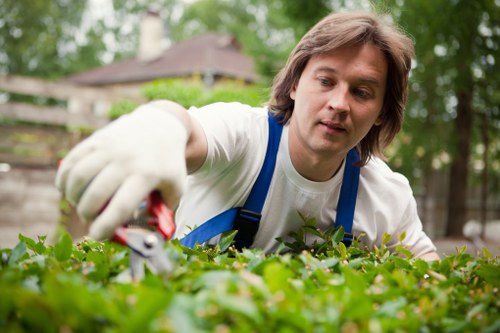 Personal protective equipment is used where needed to reduce exposure to hazards. Depending on the task, this may include gloves, safety footwear, eye protection, hearing protection, and hi-visibility clothing. PPE is not a substitute for safe working methods, but an additional layer of protection within the overall garden landscaping safety policy.
Manual handling is another important area. Many landscaping jobs involve lifting soil, paving, timber, plants, or bags of materials. Workers are trained to assess the load, use correct posture, and ask for assistance when needed. Mechanical aids should be used wherever possible to reduce strain and prevent injury.
Working at height, however limited, must be controlled carefully. Tasks such as pruning, cleaning elevated surfaces, or accessing slopes should only be done using suitable equipment and stable positioning. Ladders, steps, and platforms must be checked before use and must never be used in an unsafe or rushed manner.
Health considerations are also part of the policy. Outdoor work can expose individuals to sun, heat, cold, dehydration, allergens, and contaminants in soil or vegetation. Workers are encouraged to take regular breaks, drink water, dress appropriately, and report any symptoms of illness or fatigue as early as possible.
 Chemical products, including fertilisers, weed treatments, and cleaning agents, are handled under strict control. Labels and safety data must be followed at all times, and storage areas should be secure, dry, and clearly marked. Mixing and application are only carried out by trained personnel using the correct precautions to avoid exposure or environmental harm.
Traffic management is essential when work takes place near roads, driveways, or shared access points. Barriers, signage, and clear instructions help separate workers from moving vehicles and protect pedestrians. Visibility is especially important during early mornings, evenings, or poor weather, when risks can increase.
Emergency preparedness forms a key part of our landscaping health and safety policy. First aid supplies are kept accessible, and staff must know how to respond to injuries, fires, chemical exposure, severe weather, or other incidents. Any accident, near miss, or unsafe condition must be reported promptly so that corrective action can be taken.
We also recognise the importance of supervision. Team leaders are responsible for ensuring that tasks are planned safely, workers are properly briefed, and standards are consistently followed. Where subcontractors are used, they must meet the same expectations and follow the same safety procedures.
Training and competence are central to safe performance. New starters receive an induction covering site conduct, equipment use, emergency actions, and reporting procedures. Ongoing refresher training is provided where needed, especially when new machinery, processes, or working methods are introduced.
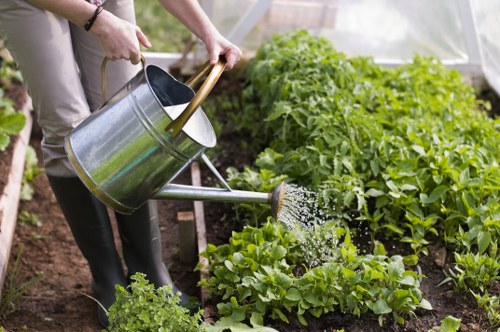 Environmental awareness is included in our working practices because safety and sustainability often go together. Waste is segregated, fuel is handled carefully, and disturbance to surrounding areas is minimised. Protecting trees, plants, wildlife habitats, and soil structure helps reduce hazards while supporting responsible landscaping outcomes.
Fatigue and overwork can affect concentration and decision-making, so work schedules are planned realistically. Tasks are paced to suit the team, weather, and site conditions. Employees are encouraged to speak up if a job feels unsafe or if conditions change unexpectedly during the day.
Landscape safety standards are maintained through regular review of procedures, equipment checks, and lessons learned from incidents. This policy is not static; it is a working document designed to support continuous improvement. The aim is to create a culture where safety is everyone’s responsibility and where risk is managed proactively.
All employees must cooperate with this policy and follow instructions given by supervisors. Failure to comply may result in removal from site or further action, depending on the seriousness of the breach. Safe conduct is expected at all times, without exception.
 In summary, this health and safety policy for landscaping in Raynes Park reflects our commitment to safe, well-managed, and professional work. By combining training, planning, communication, and proper equipment use, we aim to reduce hazards and protect everyone involved in our projects.