Garden design and build in Raynespark
If you are looking for garden design and build in Raynespark, you are likely after more than a few new plants or a tidy lawn. You want a garden that works for everyday life, suits the style of your home, and feels easy to enjoy in all seasons. In a place like Raynespark, where homes range from family houses with generous back gardens to compact terraces and practical shared-access plots, a well-planned outdoor space can make a real difference to how your property looks and functions.
Whether you want a complete transformation, a refreshed patio area, better planting, improved drainage, or a low-maintenance layout that fits busy family life, a local garden design and build service can help turn an awkward outside space into something practical and attractive. The best results usually come from combining creative design with careful construction, making sure the finished garden not only looks good but also lasts.
For homeowners, landlords, and businesses in Raynespark and nearby areas, a professionally planned garden can add comfort, kerb appeal, and everyday usefulness. If you are ready to request a free quote or talk through ideas, this page explains what is included, how the process works, and why choosing a local team can be a smart move.
Why garden design and build matters in Raynespark

Raynespark has a mix of property types, and that means no two gardens are quite the same. Some homes have long rear gardens that need zoning for dining, children’s play, storage, and planting. Others have tighter outdoor spaces where every metre has to be used carefully. A thoughtful garden design and build service helps make the most of what you have rather than trying to force a standard layout onto a space that needs a custom approach.
Local conditions matter too. Access can be limited in side passages or rear entrances, parking can be tight on residential streets, and materials may need to be brought in with care to avoid disruption. A local team familiar with the area can plan around those practical challenges from the start, reducing delays and making the work smoother for you and your neighbours.
There is also the question of how you want to use the garden. Some clients want a calm outdoor retreat with structured planting and subtle lighting. Others need a durable family space with safe surfaces, storage for bikes and garden tools, and room for entertaining. A properly considered design brings all of that together so the garden feels coherent, not pieced together over time.
What a garden design and build service can include

A full garden design and build package usually begins with a site visit and a discussion about how you use your outdoor space now, and how you would like to use it in future. From there, the design can be shaped around access, drainage, sunlight, privacy, maintenance preferences, and your budget. The build stage then turns those ideas into a finished garden using the right materials and construction methods.
Common elements of a garden design and build project in Raynespark may include:
- Layout planning and space reconfiguration
- Patios, terraces, and seating areas
- Pathways and stepping stone routes
- Raised beds and planted borders
- New turf, lawn renovation, or artificial grass
- Fencing, screening, and boundary improvements
- Garden lighting planning
- Drainage improvements and ground preparation
- Retaining walls and edging
- Storage zones, bin screens, and practical utility areas
Some projects are focused on a single feature, while others involve a full redesign. A good service should be flexible enough to handle both. If you only need a new patio and planting scheme, that can be planned just as carefully as a full garden overhaul with multiple zones, built-in seating, and hard landscaping throughout.
Designing for real life, not just for looks
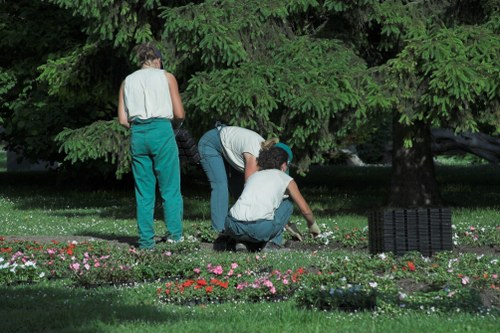
One of the biggest advantages of using a specialist in garden design and build in Raynespark is that the garden can be designed around how people actually live. It is easy to create a pretty layout on paper, but a truly successful garden works day to day. That means thinking about where muddy shoes get left, where children run, how pets move through the space, where washing dries, and where you can sit in the evening sun.
For many local households, practicality is just as important as appearance. Families often want a surface that is safe and easy to clean, planting that does not become too demanding, and a layout that keeps the garden usable even in wetter months. Small changes in levels, paving choice, or planting structure can make a huge difference to maintenance and comfort.
For homeowners planning to stay in their property long term, investing in a more permanent and better-balanced garden can pay off in day-to-day enjoyment. For those thinking about future sale value, a smart outdoor space can improve the first impression potential buyers get. In both cases, the aim is the same: a garden that feels intentional, welcoming, and well built.
How the process typically works
Most garden design and build projects follow a clear process so you know what to expect from the beginning. While every site is different, a well-organised local service usually takes you from ideas to completion in manageable stages. This helps keep the project focused and reduces the chance of costly changes later on.
Typical stages include:
- Initial discussion – You explain what you want to improve, what problems you currently have, and what type of finish you are hoping for.
- Site visit and assessment – The garden is reviewed for access, levels, drainage, sunlight, and any features that need to be retained or removed.
- Design direction – Ideas are shaped into a practical plan, including materials, layout, and key features.
- Quote and scope – The work needed is set out clearly so you understand what is included.
- Preparation and groundworks – Existing areas may be cleared, excavated, levelled, or repaired.
- Construction and installation – Paving, decking, fencing, lawns, beds, walls, and other features are built in the agreed order.
- Planting and finishing touches – Trees, shrubs, perennials, turf, mulch, and decorative details are added to complete the space.
Good communication matters throughout. If your garden has limited access or needs work staged around family life or business hours, this can usually be planned in advance. That is one reason many customers prefer a local team that can adapt to the realities of the property rather than applying a one-size-fits-all approach.
What makes a local Raynespark team useful?

Choosing a local company for garden design and build in Raynespark can make the whole experience more straightforward. A local team is often better placed to understand the style of houses in the area, the typical sizes of gardens, and the day-to-day access issues that can affect a project. That familiarity can save time during planning and help avoid surprises once work begins.
Local knowledge also helps with practical materials and construction choices. For example, a garden that is shaded by surrounding buildings or mature trees may need planting suited to lower light levels. A sloping plot may need better drainage or retaining elements. A family garden with heavy use may need hard-wearing surfaces and sturdy edging rather than delicate finishes. These decisions are easier to make when the team understands the kinds of spaces commonly found around Raynespark, Wimbledon, Morden, Motspur Park, New Malden, and nearby residential streets.
For commercial customers, local knowledge can matter just as much. Offices, schools, hospitality venues, and shared residential properties often need outdoor areas that are neat, durable, and easy to maintain. A well-designed exterior space can improve first impressions for visitors and create a more pleasant environment for staff or residents.
Garden styles that work well locally
Different properties call for different garden styles, and a good design should respond to both the home and the people living in it. In Raynespark, some gardens suit clean contemporary layouts with crisp paving, architectural planting, and defined borders. Others look better with a softer, more traditional style that uses curved paths, mixed planting, and natural textures.
Popular approaches include:
- Family-friendly gardens with robust surfaces, lawn space, and flexible seating
- Low-maintenance gardens with structured planting and reduced upkeep
- Entertaining spaces with patios, dining areas, and lighting
- Urban courtyard gardens that maximise smaller plots
- Traditional gardens with layered planting and a softer finish
- Modern outdoor living spaces that link the house and garden more seamlessly
Not every garden needs a bold overhaul. Sometimes the most effective improvement is a careful redesign of circulation, planting, and surface materials. Even modest changes can make a long narrow garden feel larger, or turn a cluttered back yard into a space with clear purpose.
Construction details that affect the final result

When people think about garden design, they often picture planting and finishes first. But the build stage is where long-term quality really shows. Strong groundwork, proper levels, and sound drainage all play a major role in how the garden performs over time. If these elements are overlooked, a garden can look good at first but become frustrating to use later.
Important construction considerations may include:
- Sub-base preparation for patios and paths
- Drainage planning to reduce standing water
- Level changes for slopes, steps, and retaining features
- Boundary treatment for privacy and security
- Material compatibility for a consistent finish
- Durability where the garden gets frequent use
This is especially relevant in areas where access and soil conditions can vary from property to property. A well-built garden should feel solid underfoot, drain effectively, and remain easy to maintain. It should also look like the design was planned as one complete space, not a collection of unrelated jobs.
Planting design that adds structure and seasonal interest
Planting is often what gives a garden personality. While paving, fencing, and walls provide structure, the planting softens those lines and brings the space to life. A good planting scheme can offer colour, texture, scent, and movement across the year while still being manageable for the level of care you want to give it.
In Raynespark gardens, planting often needs to work in a range of conditions. Some spaces are sunny and sheltered, while others may have partial shade, overlooked boundaries, or reflective heat from walls and paving. The right mix of trees, shrubs, perennials, grasses, and climbers can help balance privacy, year-round interest, and visual appeal.
Useful planting goals can include:
- Softening fences and walls
- Creating privacy from neighbouring windows
- Adding seasonal colour
- Providing structure in winter
- Attracting wildlife and pollinators
- Reducing the need for constant maintenance
If you prefer a cleaner look, planting can be kept restrained and architectural. If you want a richer, more established feel, a layered scheme can be created with texture and depth. Either way, planting should suit your lifestyle, not just your taste on the day of the design.
Preparing for your project
Before work begins, a little preparation can help the project run more smoothly. This is especially useful if the team will need access through side gates, shared paths, or narrow entrances, which is common in many Raynespark properties. Keeping the site clear and understanding what will happen next makes the build stage easier for everyone.
Helpful preparation checklist:
- Remove personal items, pots, furniture, and toys from the work area
- Identify anything you want to keep, such as existing plants or features
- Discuss access points, parking options, and neighbour considerations
- Let the team know about pets, shared access, or security concerns
- Decide whether you want to stage the project in phases or complete it in one go
- Confirm any preferences for waste removal and material storage
It also helps to think about how you want to use the finished space in the first few weeks. For example, if you are having paving laid, you may want to plan around drying or curing times. If new planting or turf is being installed, watering and aftercare will be important. A good contractor should explain what you need to know before the works start and at handover.
Pricing factors for garden design and build
Customers often want to know what influences the cost of a garden project. While exact prices depend on the site and the specification, several factors tend to affect the overall level of investment. Understanding these points can help you compare options and decide where to spend more, where to simplify, and how to shape a realistic brief.
Common pricing factors include:
- The size of the garden
- How much demolition or clearance is needed
- Ground conditions and drainage requirements
- Access for materials and machinery
- The type and quality of materials chosen
- Level changes, walls, steps, or structural features
- Planting density and the number of plants required
- Whether the project is a partial refresh or a full redesign
It is usually better to be honest about your budget from the start. That does not mean the garden has to be basic; it simply means the design can be shaped in a way that puts money where it will have the most impact. A skilled team can often suggest alternatives that preserve the look you want while keeping the build efficient.
Residential and commercial garden projects
While many enquiries come from homeowners, there is also strong demand from commercial and shared-property customers. In a built-up area like Raynespark, outside spaces often need to serve more than one purpose. A front garden may need to improve appearance and privacy. A communal area may need easier maintenance. A business exterior may need to look smart while staying durable under frequent use.
Residential customers may want:
- Family-friendly spaces
- Modern entertaining areas
- Safer and tidier layouts
- Private seating zones
- Lower-maintenance planting and surfaces
Commercial and shared-property customers may want:
- Low-maintenance landscaping
- Better kerb appeal
- Clear pathways and safer access
- Neat boundary and screening solutions
- Durable finishes that stay presentable
For both types of customer, the right design can improve how the space is used and how it feels to visitors, residents, or staff. That is why a local garden design and build company should be able to adapt the service to suit the property and the practical demands of the site.
Areas covered around Raynespark
A local service based around Raynespark can usually cover nearby neighbourhoods and surrounding South West London locations where similar property types and access conditions are common. This often includes nearby areas such as Wimbledon, South Wimbledon, Morden, Motspur Park, New Malden, West Barnes, and parts of Mitcham and surrounding residential districts.
If you are unsure whether your address falls within the normal service area, it is sensible to ask when you enquire. Local teams often travel across a wider patch than people expect, especially for projects where detailed design and build work is involved. The key is usually whether the job is a good fit for the property and the type of work required.
Frequently asked questions
How long does a garden design and build project take?
It depends on the size and complexity of the work. A small redesign may take less time than a full garden transformation with excavation, paving, planting, fencing, and lighting. The best way to understand timing is to discuss your brief and the site conditions during the initial consultation.
Can you work with a small or awkward garden?
Yes. Many Raynespark properties have compact or irregular outdoor spaces that benefit from careful planning. Smaller gardens often need smart zoning, good storage thinking, and the right choice of materials to feel open and useful.
Do I need a full design before work starts?
Not always, but having a clear plan usually helps. Even when the project is straightforward, a practical layout and agreed material choices can prevent delays and confusion later on.
What if my garden has poor drainage?
Drainage issues are common in many gardens and should be assessed before surface work begins. Solutions might involve regrading, better sub-base preparation, drainage channels, or changes to how the space is laid out.
Can the work be done in stages?
Yes, many projects can be phased. This can be useful if you want to spread the work over time, prioritise essential areas first, or keep part of the garden usable while the rest is improved.
How much maintenance will the new garden need?
That depends on the design choices. If you want a lower-maintenance garden, this can be built into the plan from the start using durable surfaces, appropriate planting, and simple layouts that are easier to care for.
Why choose a professional design and build approach?
There are plenty of ways to improve a garden, but a professional design and build approach offers consistency from start to finish. Instead of juggling separate trades or making decisions without a clear plan, you get a joined-up process where layout, materials, planting, and construction all support the same goal.
The main benefits are:
- A garden that feels planned rather than improvised
- Better use of available space
- More suitable materials for local conditions
- Improved drainage and structural reliability
- A finish that suits both appearance and everyday use
- Less stress for the customer during the project
For local customers in Raynespark, that joined-up approach is especially valuable where access, parking, and neighbour considerations may influence how the job is carried out. It is easier to stay on track when one team understands both the design intent and the practical build requirements.
Ready to improve your outdoor space?
If you are considering garden design and build in Raynespark, now is a good time to explore what is possible. Whether your garden needs a full redesign, a smarter patio layout, improved planting, or a practical refresh that makes everyday life easier, the right service can help turn ideas into a finished space you will actually use.
From compact urban gardens to larger family plots, and from private homes to commercial premises, a tailored approach can make the difference between a space that is simply there and one that genuinely adds value to your property and routine. If you are ready to move forward, contact us today to discuss your plans, request a free quote, or book your service now and take the first step toward a garden that works for you.