Garden landscaping in Raynespark
Transforming an outdoor space is about more than adding a few plants or laying a path. For homeowners, landlords, and businesses looking for garden landscaping in Raynespark, the goal is usually the same: create a garden that looks better, works harder, and is easier to enjoy all year round. In an area with a mix of period homes, family houses, compact terraces, flats with shared outside spaces, and commercial premises near busy local routes, thoughtful landscaping can make a real difference to how a property feels and functions.
Whether you want a complete redesign, a practical refresh, or help turning an awkward plot into a welcoming space, a local landscaping team can shape the garden around the way you live. That might mean solving drainage problems, improving access, adding seating areas, creating privacy, or introducing planting that suits the light conditions and the local environment. The right approach can also help your garden stay manageable, which is especially valuable for busy households and property managers who need an outdoor area that looks presentable without demanding constant attention.
Our approach to garden landscaping in Raynespark focuses on practical design, durable materials, and features that work for real local properties. From front gardens that need better kerb appeal to back gardens that must feel private, safe, and usable, every project starts with the same question: how can this space serve you better? Contact us today to discuss your ideas and request a free quote for your next garden project.
Why local garden landscaping matters in Raynespark

Raynes Park and the surrounding part of southwest London have their own set of landscaping challenges and opportunities. Gardens are often narrower than people expect, with limited side access, paved areas that need careful planning, and layouts that have evolved over time rather than being designed as one complete space. Some homes have established trees or mature hedging that provide character but also create shade and root competition. Others have small plots that need smart zoning so the space does not feel cramped.
A local landscaper understands these conditions and can recommend solutions that suit them. For example, a garden that gets morning shade but afternoon sun may need planting chosen for variable light rather than a standard list of “popular” shrubs. A property with a small rear access route may benefit from modular materials, while a garden that floods after heavy rain may need drainage improvements before any decorative work begins. Local knowledge saves time, reduces mistakes, and helps ensure that the finished space is realistic as well as attractive.
Raynespark is also home to different property types, from family houses near schools and residential streets to flats, maisonettes, and commercial units with courtyards or customer-facing outdoor areas. Each one has different needs. A family garden may prioritise turf, child-friendly surfaces, and room to play, while a landlord may want low-maintenance planting and tidy boundaries. A local company can adapt the design to the use of the property rather than offering a one-size-fits-all solution.
What a garden landscaping service can include

Garden landscaping in Raynespark can cover anything from a targeted improvement to a full transformation. Some customers come to us because a garden feels unfinished or difficult to use. Others want to modernise an older layout, repair worn-out features, or prepare a property for sale or rental. The scope of work is always tailored to the space and the goals of the client.
Typical landscaping services may include:
- Garden redesign and layout planning
- Turfing and lawn replacement
- Patios, paving, and seating areas
- Paths, stepping stones, and access routes
- Raised beds and border shaping
- Planting schemes for colour, structure, and seasonal interest
- Fencing, screening, and privacy features
- Gravel, mulch, and low-maintenance finishes
- Drainage improvements and water management
- Lighting planning for usability and atmosphere
- Hard landscaping for structure and durability
Not every project needs every element. In many cases, the best results come from making a few well-chosen changes that improve both appearance and practicality. For example, a tired lawn might be replaced with a new turf area bordered by planting and a smarter patio, instantly creating a cleaner and more usable garden without overcomplicating the design.
Designed around how you use your outdoor space
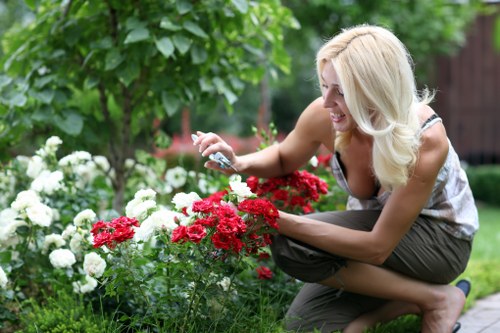
One of the most important parts of successful landscaping is understanding how the garden will be used. A good design should feel natural in daily life. If you enjoy entertaining, you may need a patio that comfortably fits table seating and has good movement between the house and the garden. If you have children or pets, open lawn areas and durable surfaces may be more important than elaborate ornamentation. If you work from home, you may want a calming, low-clutter view from the kitchen or office window.
Garden landscaping in Raynespark should also reflect the realities of the local climate and property layout. Sheltered gardens can support a wider range of planting, while exposed or windy spots may need more robust species and structural features. Mature gardens often require careful handling so that valuable trees and established greenery are preserved where possible. In smaller gardens, the challenge is usually to make the space feel larger, brighter, and more inviting by using the right balance of paving, planting, and visual lines.
Thoughtful landscape planning can help with all of this. By looking at the natural flow of the garden, the position of doors and windows, and the relationship between sun, shade, and privacy, we can create a layout that feels comfortable and easy to live with. That can include clear circulation routes, useful storage areas, screened utility zones, and focal points that bring the garden together visually.
Materials and finishes that suit Raynespark properties

The materials chosen for a garden have a major effect on how it looks and how long it lasts. In Raynes Park, where many outdoor spaces need to cope with regular use, changing weather, and limited maintenance time, quality finishes are especially important. The best choices are not just attractive on day one; they also need to remain practical and easy to look after over time.
Popular options may include natural stone, porcelain paving, brick edging, gravel, timber features, composite materials, and a range of planting mulch or soil improvements. Each comes with its own strengths. Porcelain, for instance, is often chosen for a sleek and contemporary look with easy cleaning, while natural stone may suit a more traditional property. Gravel can work well in narrow side returns or low-maintenance front gardens, while timber or composite screens can help define space and create privacy.
Choosing the right finish is not only about style. It is also about how the surface performs when wet, how it handles foot traffic, and how much care it will need. A local team can help you think through the practical side of each option so that the final design is suited to your household or business needs. This is especially useful in gardens that need to balance appearance with everyday durability.
How the landscaping process works
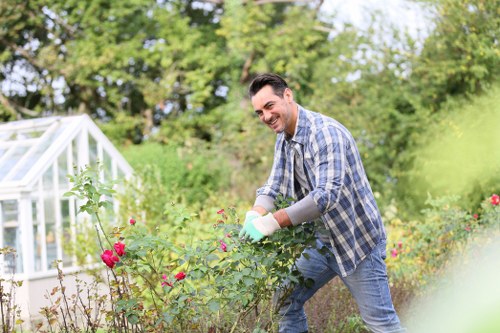
Most customers want to know what to expect before starting a project. A clear process helps keep everything on track and gives you confidence in the decisions being made. While every site is different, a typical landscaping project follows a straightforward sequence from initial discussion to completion.
1. Initial conversation and site review
We begin by discussing your ideas, priorities, and budget range. This is the point where we identify the main objectives, whether that is better drainage, a complete redesign, or targeted improvements such as new planting and paving. A site review helps assess access, levels, existing features, and any practical issues that may affect the work.
2. Design suggestions and scope
Next, the space is shaped around what you want it to do. That may involve practical sketches, material suggestions, and an agreed scope of work. Some clients already have a clear vision. Others need help refining ideas into something workable. In either case, the aim is to create a landscape plan that fits the garden and the property.
3. Preparation and groundworks
Before decorative elements go in, the site often needs clearing, levelling, removal of old features, soil improvement, or drainage work. Good preparation is essential because it supports the long-term performance of the finished garden. Skipping this stage can lead to sinking paving, poor planting, or future maintenance problems.
4. Installation and finishing
Once the groundwork is ready, the main features are installed. This can include hard landscaping, planting, edging, turfing, and any decorative details. The finishing stage is where the garden becomes cohesive, with attention to detail that makes the space feel complete rather than pieced together.
For customers who need their garden finished for a specific event, tenancy changeover, sale, or business opening, timing and planning matter as much as the final look. A local team can often work more efficiently because the area is familiar and travel time is reduced. Book your service now if you want to move from planning to action without delay.
Benefits of choosing professional garden landscaping
Professional landscaping offers more than convenience. It can significantly improve the way you use the space, reduce ongoing maintenance, and add clarity to a garden that feels cluttered or underused. In Raynespark, where many gardens have a combination of old features, patchwork updates, and uneven surfaces, professional input can make a noticeable difference.
Some of the main benefits include:
- Better use of limited space
- Improved visual appeal from the house and the street
- Safer, more practical access routes
- Lower maintenance in the right design
- More privacy and better screening from neighbours
- Improved drainage and less water pooling
- More suitable planting for shade, sun, and soil conditions
- Outdoor areas that feel more comfortable for everyday use
A well-landscaped garden can also support the longer-term value and desirability of a property. Even simple improvements such as a clearer layout, fresh borders, and a tidy seating area can make an outside space feel significantly more inviting. For landlords and commercial property owners, that can help create a better first impression. For families, it can mean a garden that is genuinely enjoyable to use.
Why local customers value a Raynespark-based team
Choosing a local company for garden landscaping in Raynespark has several practical advantages. A team that works regularly in the area is more likely to understand parking restrictions, access constraints, typical plot sizes, and the style of homes nearby. That matters when materials need to be delivered, equipment needs to be moved through narrow access points, or the layout of the garden requires careful planning to avoid disruption.
Local teams are also better placed to advise on the most realistic improvements for a specific property type. A detached home with a larger back garden has very different potential from a compact town garden or a shared outside area behind flats. Commercial customers, such as offices, care settings, or hospitality businesses, may need a landscape that is attractive but also simple to maintain and robust under daily use. Because the needs vary so much, experience with local properties is a major advantage.
It is also easier to build a practical schedule around local conditions. If a site has limited access or parking, a nearby team can plan deliveries and visits more efficiently. If a garden needs phased work, such as preparing the ground first and completing planting later, a local landscaper can coordinate that more smoothly. That flexibility often makes the whole process less stressful for customers.
Residential garden landscaping
For homeowners, the focus is often on comfort, style, and family use. Many Raynespark gardens need to do several jobs at once: provide a space for children, accommodate outdoor dining, offer room for planting, and still remain easy to maintain. Landscaping can bring all these elements together in a way that feels balanced and practical.
Residential projects often include patios for entertaining, freshly laid lawns, structured borders, screening for privacy, and smart paths that connect different parts of the garden. In smaller spaces, a good design can make the area feel more open by reducing clutter and choosing materials that reflect light. In larger gardens, landscaping can create zones so the space is not left feeling empty or disconnected.
Commercial and shared-space landscaping
Commercial customers and property managers often need outdoor areas that look tidy, professional, and easy to maintain. This can include small frontage areas, communal courtyards, access routes, or customer seating spaces. The priorities are usually durability, neat presentation, and practical maintenance schedules.
For this kind of work, landscaping must be planned with usage in mind. Surfaces need to be suitable for heavier foot traffic, planting should not obstruct visibility or access, and the layout should support safe movement. A clean, well-structured outdoor area can improve the appearance of a business premises and help create a more welcoming setting for visitors or staff.
Common challenges in Raynespark gardens
Every area has its own typical landscaping issues, and Raynes Park is no exception. Some of the most common challenges include uneven ground, poor drainage, overgrown planting, worn lawns, and gardens that lack a clear structure. Older properties may also have features that are no longer practical, such as broken paving, cramped paths, or fencing that no longer offers enough privacy.
In addition, many gardens in the area have access limitations. Side passages may be narrow, rear access may be shared, and parking can be difficult at busy times. That does not stop a landscaping project, but it does mean planning matters. Materials may need to be selected for easy handling, and the work sequence may need to be organised around access and delivery constraints.
Drainage is another important consideration. A garden that looks fine in dry weather can become awkward after rain if water collects near the house or on low-lying areas of the plot. A good landscaping plan should look beyond appearance and deal with the ground conditions beneath the surface. In many cases, a relatively modest adjustment to levels, sub-base, or surface materials can make a significant improvement.
What to prepare before booking garden landscaping
Preparing a little in advance can help the project run more smoothly and make it easier to get a clear quote or proposal. You do not need to know everything before speaking to a landscaper, but having some key information ready is useful.
- Think about how you want to use the garden most often.
- Note any problems such as flooding, shade, poor access, or broken surfaces.
- Decide whether you want a full redesign or targeted improvements.
- Gather any inspiration images or examples of styles you like.
- Consider whether there are existing features you want to keep.
- Check whether neighbours, tenants, or building managers need to be informed for access.
- Be realistic about maintenance so the final design suits your schedule.
It can also help to walk around the garden at different times of day. Sunlight, shade, and the way you move through the space become clearer when you see the garden in morning and evening light. That can influence where seating, planting, and pathways should go. If you are unsure, a local landscaping team can help you assess the site and translate your ideas into a practical plan.
Pricing factors for garden landscaping
Customers often ask what affects the cost of landscaping. Because every project is different, pricing depends on several factors rather than a fixed formula. Understanding these factors helps you compare quotes fairly and decide where you want to invest more or less.
The main pricing factors usually include:
- Size of the garden and amount of work required
- Condition of the existing space
- Access for equipment, materials, and waste removal
- Choice of materials and finishes
- Groundworks needed before installation
- Complexity of the design
- Planting requirements and soil preparation
- Whether drainage or levelling work is needed
A straightforward project with a simple planting refresh will naturally differ from a full redesign that includes new paving, turf, borders, and structural features. What matters most is that the scope is clear and that the proposed work matches the condition of the site. A reliable local company should be able to explain where the main costs lie so that you can make informed choices without pressure.
Areas covered around Raynespark
Our landscaping work is not limited to one street or one type of property. Customers in and around Raynes Park often need similar services across nearby residential and mixed-use areas. Depending on the project, support may be arranged for neighbouring districts and surrounding parts of southwest London, including areas such as Wimbledon, South Merton, Motspur Park, New Malden, and other nearby local streets and estates.
We also work with a range of property types, including:
- Family homes with rear gardens and drive-facing frontages
- Terraced and semi-detached houses
- Flats and maisonettes with shared outdoor space
- Rental properties needing low-maintenance finishes
- Commercial premises with customer or staff outdoor areas
If you are not sure whether your property is suitable for landscaping work, the best next step is to ask. Many gardens that seem awkward or too small can still be improved with the right layout and materials. The value of a local team is that they can look at your space and suggest realistic options rather than trying to force a design that does not fit.
Frequently asked questions
Do I need a full redesign, or can I improve the garden in stages?
You do not always need a full transformation. Many customers choose to improve a garden in stages, starting with the most urgent problems such as drainage, access, or damaged surfaces. Others begin with layout changes and add planting or decorative features later. A staged approach can be very practical if you want to spread the work out or test how the space functions before completing the rest.
Can landscaping help a small garden feel bigger?
Yes. Small gardens often benefit from clearer lines, reduced clutter, lighter materials, and a layout that creates a sense of depth. Smart use of paving, borders, and planting can make a compact space feel more open and usable. It is usually about making better choices rather than adding more features.
What if my garden has poor access?
Poor access is common and does not usually prevent the work from going ahead. It does, however, affect planning, materials handling, and the order of tasks. A local landscaper can assess whether narrow side access, rear lanes, or limited parking will need special arrangements. This is one reason local experience matters so much in Raynespark.
Can you work on commercial outdoor areas as well as home gardens?
Yes. Landscaping is often useful for commercial and shared spaces, especially where presentation and durability are important. That may include entrances, courtyards, seating areas, or simple low-maintenance planting schemes that keep the site looking tidy throughout the year.
How do I know what style will suit my property?
The best style depends on the age of the property, the amount of light, the intended use, and your maintenance preferences. Traditional homes may suit softer planting and natural materials, while newer or more contemporary properties may suit cleaner lines and modern paving. A local design conversation can help narrow down what will work best for your specific garden.
Choosing the right landscaping team
When selecting a company for garden landscaping in Raynespark, it helps to look for a team that listens carefully, explains the process clearly, and understands the conditions of local properties. You want a service that balances creative ideas with practical knowledge. The best results usually come from a team that can handle both design thinking and the physical work involved in preparation and installation.
It is sensible to ask about the project process, the types of materials usually recommended, how access issues are handled, and what level of involvement you will have in the design choices. You should feel comfortable discussing your priorities, whether that means easier maintenance, more privacy, better drainage, or a smarter space for entertaining. A good landscaper will help you clarify what matters most and shape the project around it.
If your garden no longer suits the way you live or work, now is a good time to explore your options. Contact us today to request a free quote, discuss your ideas, and start planning a garden that feels more useful, attractive, and enjoyable all year round.
Ready to improve your outdoor space?
Whether you want a complete garden redesign, a better patio area, smarter planting, or a more manageable layout, professional landscaping can help you make the most of your outdoor space. For local customers in Raynes Park, the advantage of working with a nearby team is simple: you get a service shaped around local properties, practical access conditions, and the way people actually use their gardens here.
From compact family gardens to commercial outdoor areas, the right improvements can bring structure, comfort, and lasting value. If you are considering a project and want clear, honest advice about what is possible, book your service now or request a free quote and take the first step toward a better garden.